
Blog
History of the Eames Lounge Chair: The Complete Story of an Icon

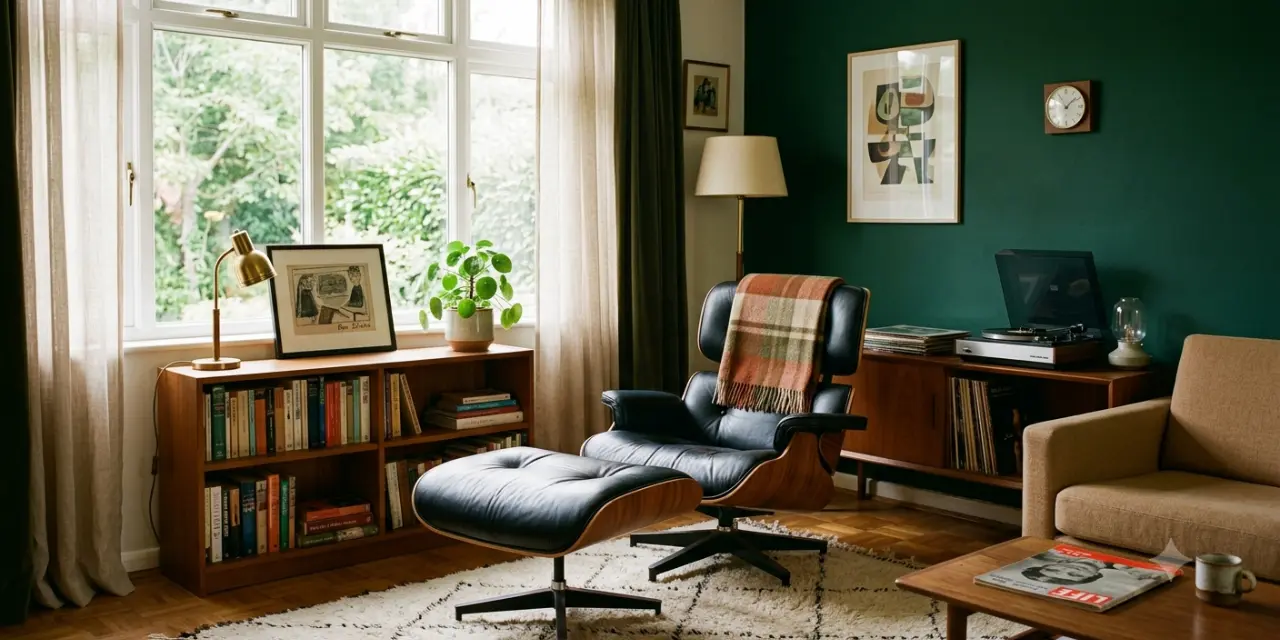
The history of the Eames Lounge Chair begins in 1956, when Charles and Ray Eames unveiled a leather-and-plywood armchair that would become the most famous seat of the twentieth century. If you’ve ever wondered why this one design still rules films, offices and living rooms seventy years on, you’re in the right place. We sell replicas of this chair every single week, and honestly, the story is half the reason people fall in love with it.
The Baseball Glove That Started It All
Charles Eames had one brief for this chair, and it’s brilliant: it should have “the warm, receptive look of a well-used first baseman’s mitt.” Not “modern.” Not “luxurious.” A worn-in glove — something that moulds to you and gets better with age. That single idea explains everything: the soft tufted leather, the wrapping shells, the relaxed recline.
Charles and Ray had spent the 1940s mastering moulded plywood — Navy leg splints during the war, plywood dining chairs after it. By the 1950s they could bend wood into curves nobody else could manufacture, and they were ready to aim higher. (Their full story is remarkable — the Eames Foundation preserves their house and archive to this day.)
1956: The Chair Goes on Television
The Eames Lounge 670 and Ottoman 671 launched through Herman Miller — revealed live on NBC television, assembled on camera like a magic trick. At a time when “a nice armchair” meant heavy and overstuffed, this looked like the future:
- Three curved rosewood shells, seemingly floating apart
- Black leather cushions filled with down and foam, club-chair buttoned
- A five-star aluminium base that let it swivel
- A matching ottoman — Charles believed real rest needed your feet up
Why the History of the Eames Lounge Chair Matters to Design
It separated structure from comfort
Traditional armchairs were one solid mass. This design split wood shells from leather cushions, joined by flexible rubber shock mounts — which is why the chair gives slightly as you settle in, like that baseball glove.
It was honest about its materials
Nothing hidden: visible plywood grain, exposed aluminium spine, every connection on show. Mid-century designers called it “honesty of construction,” and this is its finest example.
It was built for real rest
Low seat, fixed 15° recline, a headrest that catches you exactly right. Charles wanted a chair you could nap in. Ask any owner — mission accomplished.
From Design Icon to Cultural Icon
Over the decades the chair collected credentials most furniture only dreams of: a permanent place in New York’s Museum of Modern Art, starring roles in Frasier, Iron Man and House of Cards, and continuous production since 1956 — which almost no design ever achieves. Brazilian rosewood was retired in the 1990s for environmental reasons (replaced by walnut, palisander and ash), but put a 1956 chair beside a 2026 chair and you’d struggle to tell them apart.
The Rise of the Replica
Here’s the chapter that matters to most readers: an original licensed chair now costs £5,000–£8,000. That gap created the replica market — and it has matured enormously. A quality eames lounge chair replica uk buyers can afford uses the same construction logic — moulded veneer shells, aluminium base, tufted leather — at a fraction of the price.
The classic combinations remain most requested: a reproduction eames lounge chair in tan-on-rosewood is closest to the 1956 spirit, a white lounge chair charles and ray eames style feels fresh and Scandinavian, and the vitra eames lounge chair aesthetic is the licensed benchmark replicas are measured against. UK customers can order any of them with local delivery through our UK store, houseoffurnishes.co.uk.
Timeline: The History of the Eames Lounge Chair at a Glance
- 1940s — Charles and Ray perfect moulded plywood with Navy splints
- 1956 — Lounge 670 & Ottoman 671 debut on NBC television
- 1960s–70s — The status chair of architects, executives and film sets
- 1990s — Rosewood retired; walnut and palisander introduced
- 2006 — 50th anniversary; MoMA celebrates the design
- Today — Still in production, still the most copied chair on earth
FAQs
Who designed the Eames Lounge Chair?
Charles and Ray Eames — husband-and-wife design partners — created it in 1956 for Herman Miller. Ray’s role was historically underplayed; today the pair are credited as full creative equals.
What was the original made of?
Brazilian rosewood veneer shells, black down-filled leather cushions and a die-cast aluminium base. Modern versions use walnut, palisander or ash veneer.
Why is the Eames Lounge Chair so famous?
It combined machine-age manufacturing with genuine sink-in comfort — something nobody had managed. Seventy years of production, museum status and endless screen time did the rest.
Final Thoughts
The history of the Eames Lounge Chair is really one good idea executed perfectly: comfort that looks as good as it feels. Whether you’re a design nerd or just want the most comfortable corner in the house, the chair earned its legend. See how today’s versions honour the original in our full Eames lounge chair collection — every veneer and leather the Eameses would recognise, without the £6,000 price tag.